The Joke That a Million People Tell Together
A traditional joke has an author, a text, and an audience. A meme has none of these in the usual sense: it is a template that thousands of strangers complete in their own way, a picture whose caption is rewritten by everyone who touches it, humour that spreads not by being repeated but by being remixed. Understanding how memes work means understanding the first genuinely new comedy format of the internet age — part joke, part language, part social signal — and why it moves at speeds no previous humour could reach: a new format can be born on a Tuesday, understood worldwide by Friday, and feel ancient by the following month. This explainer breaks down the machinery: the template-and-caption structure, the in-group fluency that makes memes feel like a secret handshake, the reaction image as emotional shorthand, and the lifecycle every successful format lives through — birth, explosion, saturation, and the strange afterlife of the “dead” meme. For the older machinery memes evolved from, see our companion guide to the classic types of jokes.
The Template: A Joke With the Last Line Left Blank
The classic meme structure is a two-part machine: a fixed, recognisable image or format (the setup, shared by everyone) and a variable caption (the punchline, supplied by whoever posts it). The distracted-boyfriend photograph, the two-panel Drake approval/disapproval, the ever-expanding brain — each is less a single joke than a grammar: a tiny visual sentence structure into which any content can be poured. This is why memes scale in a way jokes never could. A joke must be retold exactly to survive; a template invites alteration, and every alteration is both a joke and an advertisement for the format. Psychologists of humour call the pleasure here “variation within recognition”: your brain gets the comfort of the familiar frame and the surprise of the new filling, the same double reward a pun delivers — which is no coincidence; the caption-swap is the pun’s industrial descendant. Templates also explain meme literacy: to “get” a meme you must already know the template’s grammar (which panel means approval, which character is the fool), so every meme silently tests and displays cultural membership. You are never just laughing; you are proving you were there, online, last week.
In-Group Language: Why Memes Feel Like a Secret Handshake
Because templates carry grammar, memes function as a dialect. Communities mint their own formats — gaming’s, finance’s, fandom’s, each profession’s private gallery of suffering — and fluency in them is belonging made visible. This is why a meme can be hilarious to one group and blank noise to another without either being wrong: the missing ingredient is context, the shared grievances and references the template compresses. Compression is the right word. A well-chosen reaction image transmits an entire emotional paragraph — the side-eye of exhausted disbelief, the nod of reluctant respect — in a quarter-second, which is why memes colonised workplace chats and group chats alike: they are the fastest emotional bandwidth humans have invented. Brands and politicians perpetually chase this fluency and perpetually arrive slightly late and slightly wrong, because in-group language polices itself: the moment a format smells like marketing, the group abandons it and coins another. Memes are thus a folk culture with real-time border control — perhaps the first folk culture in history whose entire archive is public, timestamped, and searchable.
The Lifecycle: Birth, Explosion, Saturation, Afterlife
Every successful meme lives the same four-act life. Birth: an image escapes its original context — a film still, a stock photo, someone’s pet — and one early caption finds the grammar hidden in it. Explosion: the remixing cascade; the format is flexible enough to comment on everything (exams, bosses, weather, itself), each use recruiting new users, platforms’ algorithms pouring fuel on whatever is already rising. Speed records here are absurd by historical standards: formats have gone from first post to national-news-segment inside a week, a journey that took vaudeville jokes years. Saturation: the template’s flexibility becomes its doom — when your bank and your uncle are both posting it, the in-group signal is spent, and the format curdles into what the internet flatly calls “dead.” Saturation is not really about quality; it is about the handshake no longer being secret. Afterlife: the interesting act nobody predicted. Dead memes do not vanish; they become vocabulary (people say “this is fine” in burning rooms of real life), nostalgia objects revived ironically by the next generation, and raw material — new formats are constantly built from the corpses of old ones. The lifecycle’s moral for creators and brands: you cannot schedule virality, you can only be early, fluent, and light of touch — and even then, the crowd, not you, decides when the joke ends.
Why It Matters Beyond the Laughs
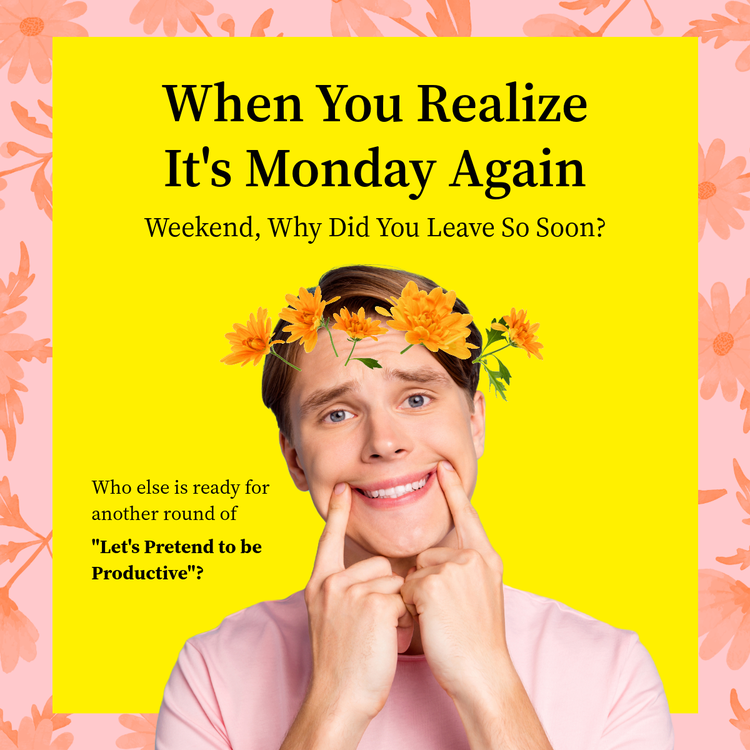
It is tempting to file all this under “internet silliness,” but memes have quietly become one of the main ways public feeling is expressed and measured: protest movements compress their arguments into shareable images because that is the unit the feeds reward; news events acquire a meme-half-life within hours, shaping what the public remembers of them; and entire historical moments are now recalled as their formats — future historians will study our memes the way they study political cartoons, which is exactly what memes are, drawn by everyone. The skills involved are real literacy: reading a meme’s template, audience, and irony-layer correctly is as much a part of modern media competence as the fact-checking habits our fake-news guide teaches. And underneath the analysis, the simple human fact remains the best explanation for the speed: people share what makes them feel seen. A meme that nails a universal small experience — the Monday face, the group-project freeloader, the snack drawer at 3 p.m. — travels because forwarding it says “this is me, and I bet it’s you too,” which is not really a joke being passed along at all. It’s recognition, wearing a joke’s clothes, moving at the speed of belonging.