
User interaction styles are rapidly evolving as technology becomes more advanced and integrated into daily life, and in today’s digital world, businesses, apps, and platforms are focusing more on creating smoother, faster, and more human-like interaction experiences that make it easier for users to communicate with systems through voice, touch, gestures, and intelligent interfaces that understand user behavior and respond in a more natural way.
Shift Toward More Natural User Interfaces
One of the biggest trends in user interaction is the shift toward natural and intuitive interfaces. Instead of relying only on traditional buttons and menus, modern systems are designed to understand human behavior more naturally.
This includes voice commands, gesture controls, and predictive inputs that reduce the effort required from users. The goal is to make technology feel less technical and more like a natural conversation or interaction.
Rise of Voice-Based Interaction Systems
Voice interaction has become increasingly popular with the growth of smart devices and virtual assistants. Users can now perform tasks like searching, setting reminders, or controlling devices simply by speaking.
This trend is driven by convenience and speed. Voice-based systems reduce the need for typing and navigation, making technology more accessible, especially for users who prefer hands-free interaction.
Touch and Gesture-Based Interfaces
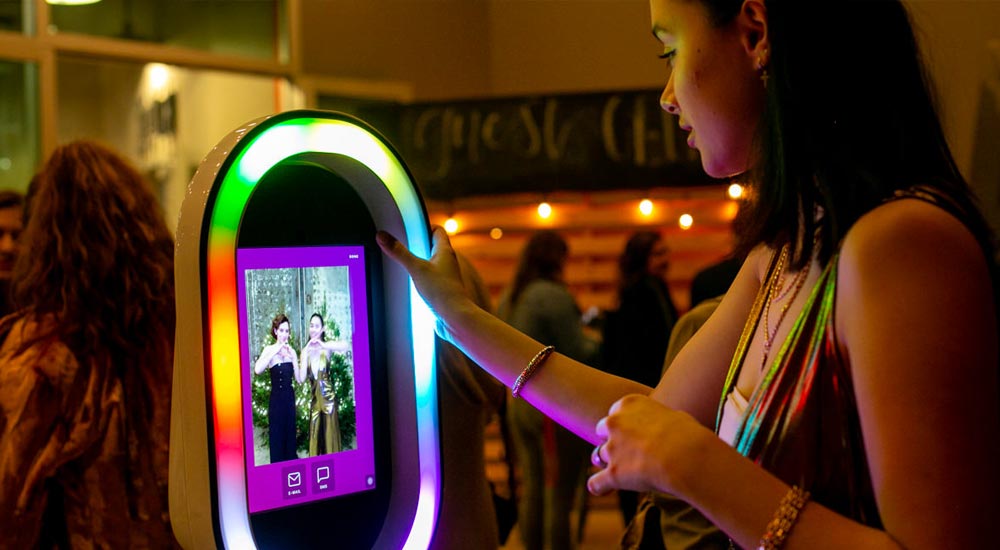
Touch and gesture-based interactions are now standard in most modern devices such as smartphones, tablets, and smart screens. These interfaces allow users to swipe, tap, pinch, or scroll effortlessly.
Gesture-based systems are also expanding into new areas like gaming and virtual reality, where physical movement enhances the user experience and creates a more immersive environment.
Personalized User Experiences
Personalization is becoming a key part of user interaction design. Systems now analyze user behavior, preferences, and history to deliver customized content and suggestions.
This makes interactions more relevant and engaging. Users feel more connected when platforms understand their needs and provide tailored experiences instead of generic content.
AI-Powered Interaction Systems
Artificial intelligence plays a major role in modern user interaction styles. AI-powered systems can predict user actions, provide recommendations, and even hold conversations through chatbots.
These systems improve efficiency by reducing the need for manual input. They also make digital experiences smoother by learning from user behavior over time.
Conversational Interfaces and Chatbots
Conversational interfaces, including chatbots, are widely used in customer service and online platforms. They allow users to interact with systems in a natural language format.
This makes communication easier and faster. Instead of navigating complex menus, users can simply type or speak their queries and receive instant responses.
Multi-Device Interaction Experience
Another growing trend is seamless interaction across multiple devices. Users can start a task on one device and continue it on another without interruption.
For example, someone can begin reading on a phone and continue on a laptop. This creates a smooth and connected digital experience across platforms.
Emotion-Aware Interaction Systems
Modern systems are also beginning to recognize user emotions through tone, behavior, and interaction patterns. This helps platforms respond in a more human-like and empathetic way.
Emotion-aware systems are especially useful in customer support and education platforms where understanding user mood can improve communication quality.
Minimalistic and Clean Interface Design
User interaction styles are also influenced by minimalistic design trends. Simple layouts with fewer distractions help users focus better and interact more efficiently.
Clean interfaces improve usability by making navigation easier and reducing cognitive load, especially for new users.
FAQ’s
What are user interaction styles
User interaction styles refer to the ways users communicate and interact with digital systems.
What is the latest trend in user interaction
Voice control, AI-powered systems, and personalized experiences are the latest trends.
Why is personalization important in interaction design
It improves user experience by providing relevant content and suggestions.
Are chatbots part of user interaction trends
Yes, chatbots are widely used for conversational interaction and customer support.
Conclusion
Current trends in user interaction styles are focused on making technology more natural, intelligent, and user-friendly through voice systems, AI integration, personalization, and multi-device experiences. As digital systems continue to evolve, the future of user interaction will become even more seamless, intuitive, and closely aligned with human behavior, creating smoother and more efficient digital experiences for everyone.