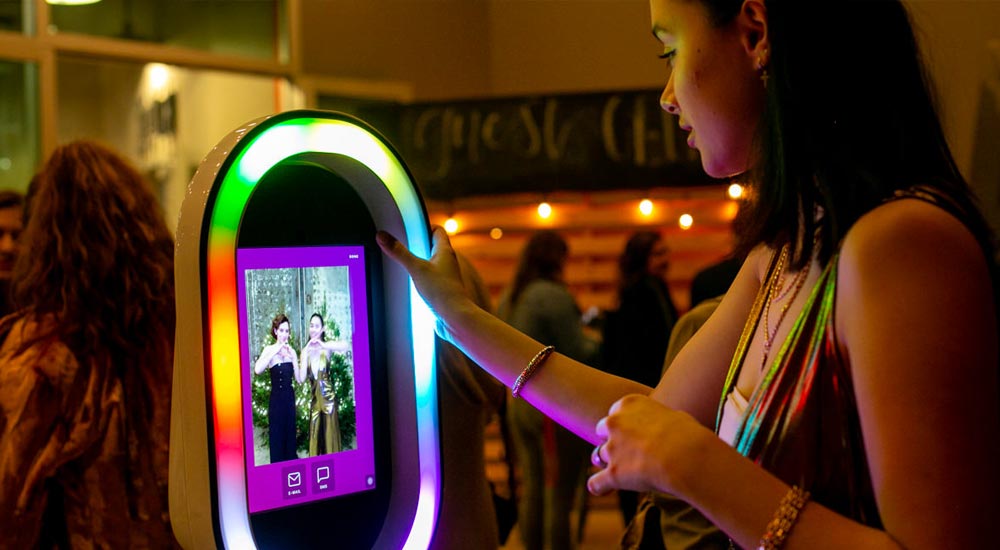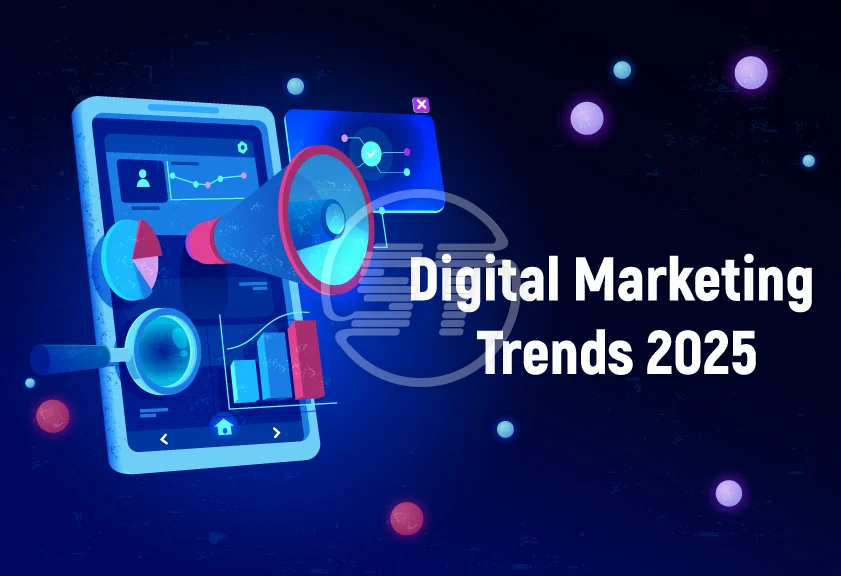

Interactive marketing is rapidly changing how brands connect with audiences because modern consumers no longer respond to one-way advertisements and instead prefer engaging, personalized, and experience-driven content that allows them to participate, react, and interact with brands in real time across digital platforms, social media, and immersive technologies that are shaping the future of marketing.
Rise of Personalized Marketing Experiences
Personalization has become one of the strongest trends in interactive marketing. Brands are now using customer data to deliver content that matches individual preferences, behavior, and interests. This makes marketing more relevant and effective.
Instead of showing the same message to everyone, companies now create targeted campaigns that feel more personal. This approach increases engagement because users are more likely to interact with content that directly relates to their needs and lifestyle.
Interactive Content as a Core Strategy
Interactive content such as quizzes, polls, surveys, and calculators is becoming a key part of modern marketing strategies. This type of content encourages users to actively participate instead of just viewing information.
It also helps brands collect valuable insights about their audience. When users engage with interactive content, companies can better understand preferences and improve future campaigns accordingly.
Growth of Video-Based Interactive Marketing
Video marketing is evolving with interactive features that allow users to click, choose, and engage within videos. This makes content more engaging and immersive compared to traditional video ads.
Platforms like YouTube are already introducing interactive elements such as polls and clickable links, helping brands create more engaging storytelling experiences that hold user attention longer.
Use of Artificial Intelligence in Marketing
Artificial intelligence is playing a major role in shaping interactive marketing trends. AI helps brands analyze user behavior and create personalized marketing campaigns automatically.
AI-powered tools can also predict customer needs and suggest products or services in real time, making marketing more efficient and targeted. This improves customer satisfaction and increases conversion rates.
Chatbots and Conversational Marketing
Chatbots have become an essential part of interactive marketing. They allow brands to communicate with customers instantly through messaging platforms and websites.
These bots provide quick responses, answer queries, and even guide users through purchasing decisions. This creates a more interactive and seamless customer experience.
Augmented Reality and Virtual Experiences
Augmented reality (AR) is transforming how customers interact with products online. Users can now try products virtually before buying, such as seeing how furniture looks in their home or how clothes fit them.
This technology makes marketing more immersive and reduces uncertainty in buying decisions. It also increases user engagement by offering a unique and memorable experience.
Social Media Engagement Strategies
Social media platforms are at the center of interactive marketing trends. Brands are using stories, live sessions, and interactive posts to engage directly with their audience.
Features like polls, Q&A sessions, and live chats allow real-time interaction, making customers feel more connected to the brand. This builds trust and long-term loyalty.
Gamification in Marketing
Gamification is another growing trend where brands use game-like elements such as rewards, points, and challenges to engage users.
This approach increases participation and makes marketing more fun and engaging. Users are more likely to interact with brands that offer entertainment along with value.
Data-Driven Decision Making
Modern interactive marketing relies heavily on data analytics. Brands track user behavior, engagement levels, and interaction patterns to improve their strategies.
This data helps companies understand what works and what doesn’t, allowing them to optimize campaigns for better performance and higher engagement.
FAQ’s
What is interactive marketing
Interactive marketing is a strategy that encourages active user participation with digital content.
Why is interactive marketing important
It increases engagement and improves customer experience.
What are examples of interactive marketing
Quizzes, polls, AR experiences, and chatbots are common examples.
Is AI used in interactive marketing
Yes, AI is widely used for personalization and customer interaction.
Conclusion
Top interactive marketing trends are reshaping the future of digital engagement by focusing on personalization, AI integration, immersive experiences, and real-time interaction. As technology continues to evolve, marketing is becoming more dynamic and user-focused, allowing brands to build stronger connections with their audiences and deliver more meaningful and engaging experiences.