Scroll any feed for thirty seconds and you will meet one: a screenshot, a reaction face, a caption about a moment you have personally lived a hundred times. Relatable memes are the internet’s favourite joke format precisely because they are not really about being clever — they are about being recognised. The laugh comes with a small shock of identification: someone, somewhere, has had exactly your Tuesday. This article looks at why that recognition spreads so fast, what separates a meme that travels from one that dies in the group chat, and how the format keeps evolving.
The Recognition Engine
Every joke format runs on some fuel — surprise, superiority, absurdity. Relatable memes run on recognition. The humour is not “that is unexpected” but “that is exactly what it is like.” Psychologists call the underlying pleasure social validation: seeing your private, slightly embarrassing experience displayed publicly tells you the experience is normal and shared.
That is why the subjects of relatable memes are so deliberately small. Not heartbreak or triumph, but the specific agony of waving back at someone who was not waving at you. Not wealth, but the performance of checking your bank balance like it might have changed its mind. The smaller and more specific the moment, the more universal it somehow becomes — a paradox every successful meme creator learns eventually.
Why They Spread Faster Than Other Jokes
Sharing is the engine of virality, and people share content that says something about themselves. Sending a relatable meme is a low-effort way of saying “this is me” or “this is us” without writing a personal post. The meme becomes a message: friends tag each other not to deliver the joke, but to deliver the recognition.
Speed of comprehension matters too. A relatable meme must be understood in about two seconds, mid-scroll, possibly on a bus. Formats that need context or reading three paragraphs cannot compete. The winners pair an instantly readable image with a caption that names the shared moment, and nothing else — every extra element is friction between the viewer and the share button.
The Classic Formats and What Each One Does
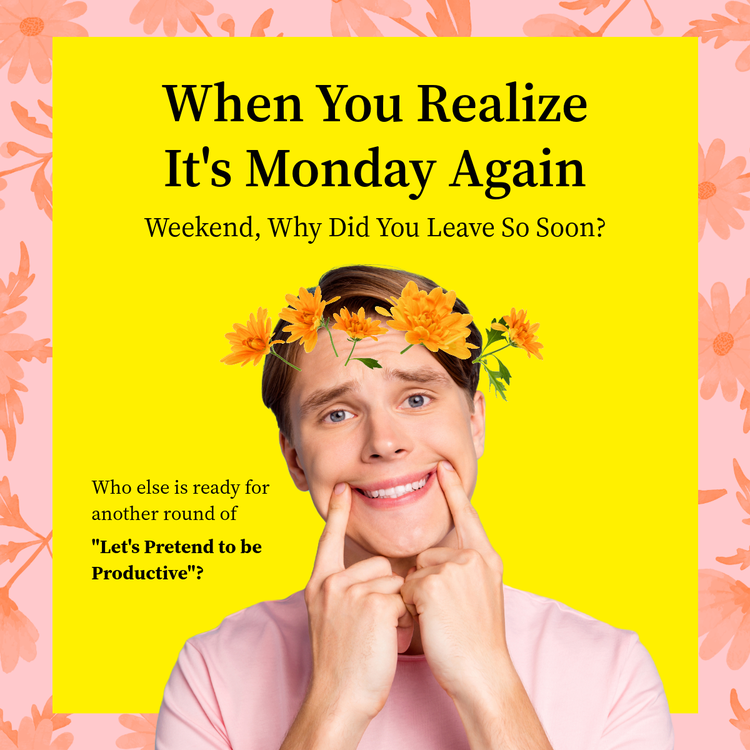
Meme formats are templates for recognition. The two-panel before-and-after format dramatises a tiny downfall: expectation above, reality below. The reaction-face format outsources the emotion to a character whose expression says what the caption cannot. The “nobody: / absolutely nobody: / me:” structure mocks our own unnecessary behaviour, and it works because the target is always the poster themselves.
New formats appear constantly, but notice how rarely the underlying jokes change. Each new generation of templates rediscovers the same material — work, sleep, money, social awkwardness, pets judging their owners — and dresses it in the current style.
Entire subcultures run on their own dialects of the format. Nurses, teachers, warehouse staff, new parents, and students all maintain meme ecosystems dense with references outsiders cannot parse, and that density is the point: the more specific the shared world, the stronger the recognition inside it. A meme about a particular piece of hospital equipment or a specific classroom ritual can feel, to the right audience, like a message written personally for them. This is why niche pages with modest follower counts often generate fiercer loyalty — and more saves and shares per follower — than giant general humour accounts posting for everyone. Learning to see the template under the trend is the real skill: once you can, you can predict which new format will catch on, because you already know which feelings it needs to express.
Making Your Own Memes That People Actually Share
Start from a true, specific moment rather than a general topic. “Work is tiring” is not a meme; “me, answering one email and then needing a break like I ran a marathon” is. Specificity is what triggers the recognition response, and the caption should sound like something a friend would text, not something a brand would approve.
Then match the moment to the format honestly. If the joke is about your own behaviour, use a self-mocking template. If it is about a shared enemy — alarm clocks, slow walkers, group projects — use a format with a villain and an audience. Test the draft with one question: would someone send this to a specific friend with the words “this is you”? If no specific friend comes to mind, the meme is not finished.
Staying Smart While You Scroll and Share
Meme pages are fun, but they sit inside the same internet as everything else, and a little scepticism goes a long way. Viral screenshots are frequently edited, cropped, or entirely invented, so it is worth knowing how to check misleading claims aimed at privacy-conscious users before treating a funny screenshot as a true story. The joke can still be funny; it just should not become your news source.
The device in your hand deserves the same attention. Most meme consumption happens on phones, often through apps and links of varying trustworthiness, so the habits in a practical look at device security for everyday users are worth adopting before your scrolling takes you somewhere a joke was not the only payload. Humour travels fast — make sure nothing unwanted travels with it.
Where Meme Culture Goes Next
The format is already mutating. Short video reactions, screenshot-of-a-screenshot layering, and AI-generated images are all being absorbed into the same recognition economy. What will not change is the fuel: relatable memes will keep winning because they perform a social job no other format does as efficiently — they let millions of strangers confirm, simultaneously, that their ordinary lives are strangely alike.
Expect the templates to keep getting stranger and the subjects to stay exactly the same. In ten years the formats will look alien, but someone will still be posting about the pain of stepping on something wet while wearing socks, and everyone will still feel seen.
Conclusion
Relatable memes succeed because recognition is a stronger drug than surprise. They name small, shared moments with total specificity, package them in formats understood in seconds, and give people a way to say “me too” with a single tap. Understand that engine — and pair it with a little care about what you believe and share — and you understand the dominant joke format of the internet age.