Managing reactive skin conditions often presents an endless cycle of redness, irritation, and discomfort. Finding the right balance of hydration without triggering flare-ups requires a methodical approach to daily product application. An effective regimen minimizes inflammation while repairing the delicate epidermal barrier for long-term resilience.
Sensitive Skincare Moisturizing Routine By Rodan + Fields
The Technical Aspects of Sulfates
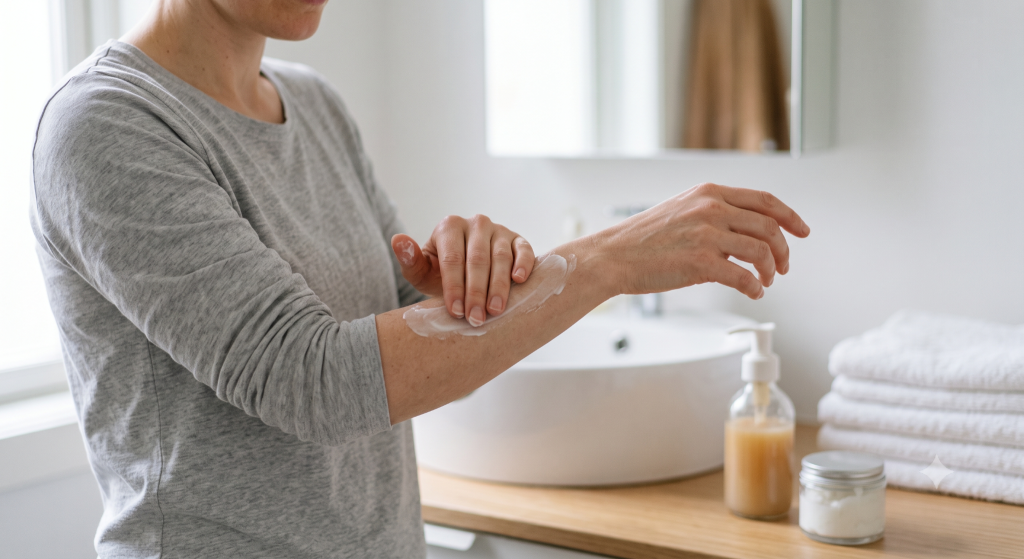
Sulfates, such as sodium lauryl sulfate (SLS), are powerful cleansing agents commonly found in personal care products. These synthetic detergents lower the surface tension of water, allowing them to bind to natural oils and dirt for easy rinsing.
However, this aggressive cleansing action strips away vital protective lipids from the skin and scalp. This disruption of the moisture barrier leaves sensitive areas highly vulnerable to severe dryness and contact dermatitis.
Essential Considerations for a Safe Routine
Maintaining skin health requires strict attention to product formulations and environmental triggers. A proper assessment ensures that daily cleansing and moisturizing do not exacerbate underlying sensitivities.
- Verification that all cleansers are labeled as sulfate-free and non-comedogenic is strictly required.
- New formulations are always tested on a small patch of skin before full, widespread application.
- Water temperature is carefully monitored during showers to prevent thermal irritation.
- Moisturizing creams must contain skin-identical lipids, such as ceramides or squalane.
Tailoring the Approach for Specific Profiles
Dry/Damaged
Individuals with severe moisture depletion require rich, occlusive formulas to trap hydration. Ingredients like shea butter and hyaluronic acid help reconstruct the damaged lipid barrier over time.
Color-Treated
Chemically processed hair and the adjacent scalp skin face compromised structural integrity. Gentle, pH-balanced washes prevent artificial pigment loss while soothing the reactive follicles.
Curly/Coily
Textured hair types naturally struggle to distribute sebum from the roots to the ends. Co-washes and heavy leave-in conditioners provide the necessary slip and deep moisturization without stripping.
Sensitive Scalp
Follicular inflammation demands fragrance-free, dermatologically tested products. Calming agents such as aloe vera and colloidal oatmeal offer immediate relief from itching and redness.
Recognizing Exceptions in Cleansing Needs
While avoiding harsh detergents remains the standard advice, certain conditions occasionally require stronger formulations. Heavy buildup from styling products or mineral-rich hard water may necessitate a monthly clarifying treatment.
In these rare instances, a carefully formulated, mild sulfate cleanser serves a distinct purpose. When used sparingly, it can reset the canvas without causing permanent barrier damage.
The Science of Active Ingredients
Modern dermatological science focuses on biomimetic ingredients that replicate the body’s natural moisture factors. Humectants draw ambient water into the stratum corneum, instantly plumping the cellular structure.
Emollients then fill the microscopic gaps between skin cells, creating a smooth and resilient exterior surface. Finally, occlusives form a protective seal over the epidermis to halt transepidermal water loss.
Targeted Advice for Daily Care
Morning Protection
Daytime routines must prioritize defense against environmental stressors and ultraviolet radiation. A lightweight, broad-spectrum mineral sunscreen layered over a gel-based moisturizer prevents oxidative stress.
Nighttime Recovery
Evening regimens focus entirely on cellular repair and deep tissue hydration. Thicker creams enriched with niacinamide and peptides support the natural regeneration processes during sleep.
The Optimal Wash Routine
Executing a proper cleansing cycle is crucial for maximizing product efficacy and minimizing friction. This structured protocol ensures optimal hydration retention throughout the day.
- The target areas are wetted thoroughly with lukewarm water to soften the skin and cuticles.
- A dime-sized amount of sulfate-free cleanser is massaged using gentle, circular motions.
- The area is rinsed completely, ensuring no residual product remains to cause irritation.
- A microfiber towel is used to pat the area gently, leaving a slight dampness.
- The chosen moisturizer is applied immediately to lock in the residual water.