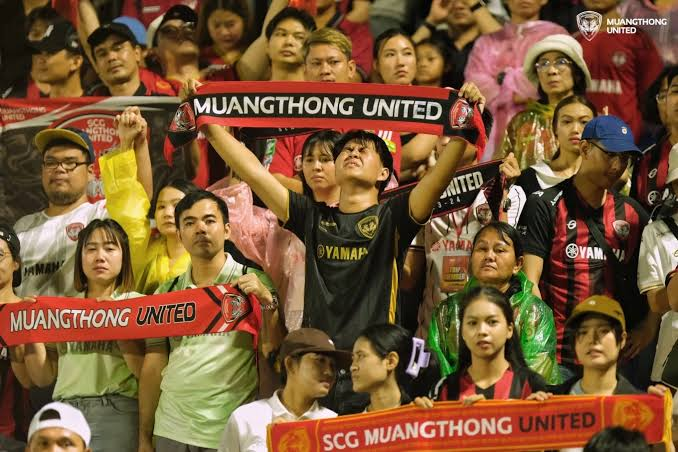

Relegation battles during the 2013 and 2014 Thai Premier League seasons operated under extreme existential pressure, particularly in 2014 when the league contracted from twenty clubs down to eighteen, automatically sending five teams down to the second division. This intense structural pressure fundamentally altered match dynamics involving bottom-tier sides. Rather than playing expansive football, clubs fighting survival transitioned into hyper-aggressive, physical containment units. Analyzing how these survival-driven blueprints suppressed offensive fluidity while drastically elevating booking volumes provides a clear tactical roadmap for evaluating derivative Under goals and disciplinary card markets.
The Psychological and Structural Pressure of the 2014 Five-Team Relegation Drop
The regulatory mandate of the 2014 campaign, which condemned five clubs to relegation to streamline the top flight, eliminated any margin for tactical idealism among lower-tier teams. Managers recognized that single points earned from grinding 0-0 or 1-1 draws held greater survival value than taking expansive risks that could result in open-play defeats.
This systemic risk aversion forced bottom-six clubs to deploy deep, compact defensive structures that deliberately stagnated match tempo. By compressing the middle third of the pitch and prioritizing disruptive physical challenges over technical build-up, relegation contenders turned domestic fixtures into low-possession, high-friction contests that naturally limited clear-cut goal-scoring opportunities while rapidly accumulating referee cautions.
Tactical Divergence: Aggressive Low Blocks Versus Frantic Direct Desperation
Not all relegation-threatened sides in 2013 and 2014 approached survival with identical schemes; their tactical posture fell into two distinct categories based on squad composition and managerial background.
A comparative breakdown of these bottom-table setups illustrates how specific tactical profiles dictated match totals and disciplinary accumulation:
| Tactical Archetype | Primary Defensive Line | Match Tempo | Average Total Goals | Disciplinary Booking Average |
| Pragmatic Physical Low Block | Deep edge-of-box containment | Extremely Low | Under 2.0 Goals | 4.2 Yellow Cards / Match |
| Chaotic Direct Transition | Mid-block with reckless recovery fouls | Medium-High | High Variance (2.5+) | 5.1 Yellow Cards + Red Card Risk |
| Possession-Deficient Underdog | Passive retreat with late penalty-box fouling | Low | Under 2.25 Goals | 3.8 Yellow Cards / Match |
| Desperate Chaser (Late Season) | Overextended press after conceding | Fractured / Volatile | Over 2.75 Goals | 5.5+ Cards via Frustration Fouls |
The tactical data confirms that disciplined low-block setups reliably produced low-scoring events paired with high booking frequencies, whereas poorly organized direct sides produced high-variance scorelines that were far less dependable for traditional Under selections.
The Mechanical Link Between Tactical Fouling and Low-Event Fixtures
Sustaining a successful low-scoring game script as an inferior side requires breaking the rhythm of technically superior opponents before they establish fluidity in the attacking third. Relegation-threatened clubs mastered the art of rotational tactical fouling in the central midfield zone.
The deliberate implementation of rotational fouls unfolds through a clear tactical progression:
- The defending double-pivot midfielders allow the opposing playmaker to receive the ball with their back to goal.
- The moment the attacker turns toward the penalty area, the midfielder commits an intentional clipping foul to reset play.
- Because the foul occurs forty yards from goal, the referee issues a verbal warning rather than an immediate caution.
- Consecutive rotational fouls by different defensive players continuously run down the game clock and disrupt attacking momentum.
By neutralizing transitions before dangerous attacks materialize, this defensive tactic consistently suppresses shot volume while steadily exhausting the referee’s disciplinary patience as the match reaches the second half.
Identifying Matchups Primed for Card Accumulation
Certain fixture matchups during the 2013 and 2014 seasons carried exceptionally high probabilities for elevated booking totals. When two relegation rivals met in direct six-point survival clashes, the physical stakes intensified dramatically, turning routine midfield duels into high-tension confrontations.
Mechanics of Six-Point Relegation Friction
In head-to-head relegation six-pointers, neither side can afford a loss, resulting in frantic, nervous play where players commit reckless challenges to prevent defensive breakthroughs. As pressure mounts in the final thirty minutes, persistent dissent, time-wasting along the touchlines, and cynical professional fouls invariably trigger a wave of late yellow and red cards from the officiating crew.
Exploiting Derivative Card and Total Lines on Digital Interfaces
Mainstream betting lines frequently treat relegation-threatened teams with simplistic goal-spread adjustments, often overlooking the massive pricing value available in derivative booking points and alternative Under lines. As the season reached its final ten rounds, these specialized markets offered superior predictability compared to volatile match-winner markets.
Under conditions where two bottom-table units collided under high-stress relegation mandates, accessing comprehensive market coverage through an established betting interface like สมัคร ufabet168 enabled sharp analysts to target alternative low totals paired with high card over lines, capitalizing on the tactical reality of defensive attrition before mainstream bookmakers fully adjusted their disciplinary projections.
Refereeing Profiles and Disciplinary Volatility Across Venues
While team tactical approaches establish the baseline for physical play, the officiating referee serves as the ultimate catalyst for booking volume. Domestic match officials during the 2013/2014 era exhibited wide variance in their tolerance for physical challenges and persistent infringement.
Evaluating referee metrics ahead of kickoff requires examining several critical historical tendencies:
- Average yellow cards issued per match across domestic top-flight assignments.
- Strictness regarding tactical fouls in the middle third versus leniency on early physical contact.
- Historical frequency of issuing second-yellow dismissals during tense second-half game states.
- Susceptibility to home-crowd pressure when officiating high-stakes regional relegation fixtures.
Cross-referencing referee strictness with aggressive relegation-threatened defenses allowed analysts to filter out lenient officiating crews that might suppress card totals despite physical play.
Maintaining Psychological Discipline and Avoiding High-Stakes Bias
Analyzing high-stress relegation matches demands emotional objectivity, as casual observers frequently misjudge desperation as offensive capability, falsely assuming that teams fighting for their lives will score more goals. In reality, desperation in football almost universally manifests as structural fear, defensive conservatism, and physical aggression.
Applying the same analytical detachment and risk control standard in high-tier casino online environments ensures that participants evaluate survival battles through cold mathematical metrics rather than emotional narratives, protecting capital across the high-volatility stretches of a domestic season.
Summary
The relegation battles of the 2013 and 2014 Thai League seasons created prime tactical environments for targeting low goal totals and high booking accumulations. By analyzing the structural demands of the five-team drop in 2014, identifying systematic tactical fouling schemes, and factoring in referee disciplinary baselines, analytical observers successfully navigated high-stress survival fixtures to capture sustained value across specialized derivative markets.